Reconstruct the change
What changed, when did it start, and what do people close to the patient notice?
When memory or thinking changes, the important question is why. We investigate the individual case—its history, findings, and possible causes.

A diagnosis describes a problem. It does not always explain what caused it.
We review prior medical work, speak with patients and families, examine the patient, and consider imaging, medications, and testing. The next steps are guided by the actual findings—not a universal checklist.
How we investigate →What changed, when did it start, and what do people close to the patient notice?
Past evaluations, medical conditions, medications, imaging, and relevant test results.
Discuss what is known, what remains uncertain, and what may be worth investigating next.
Explore Dr. Orehek’s books and published ideas about memory, mind, and cognitive decline.
Some publications present hypotheses or individual observations; they are identified as such, rather than presented as proven treatments.
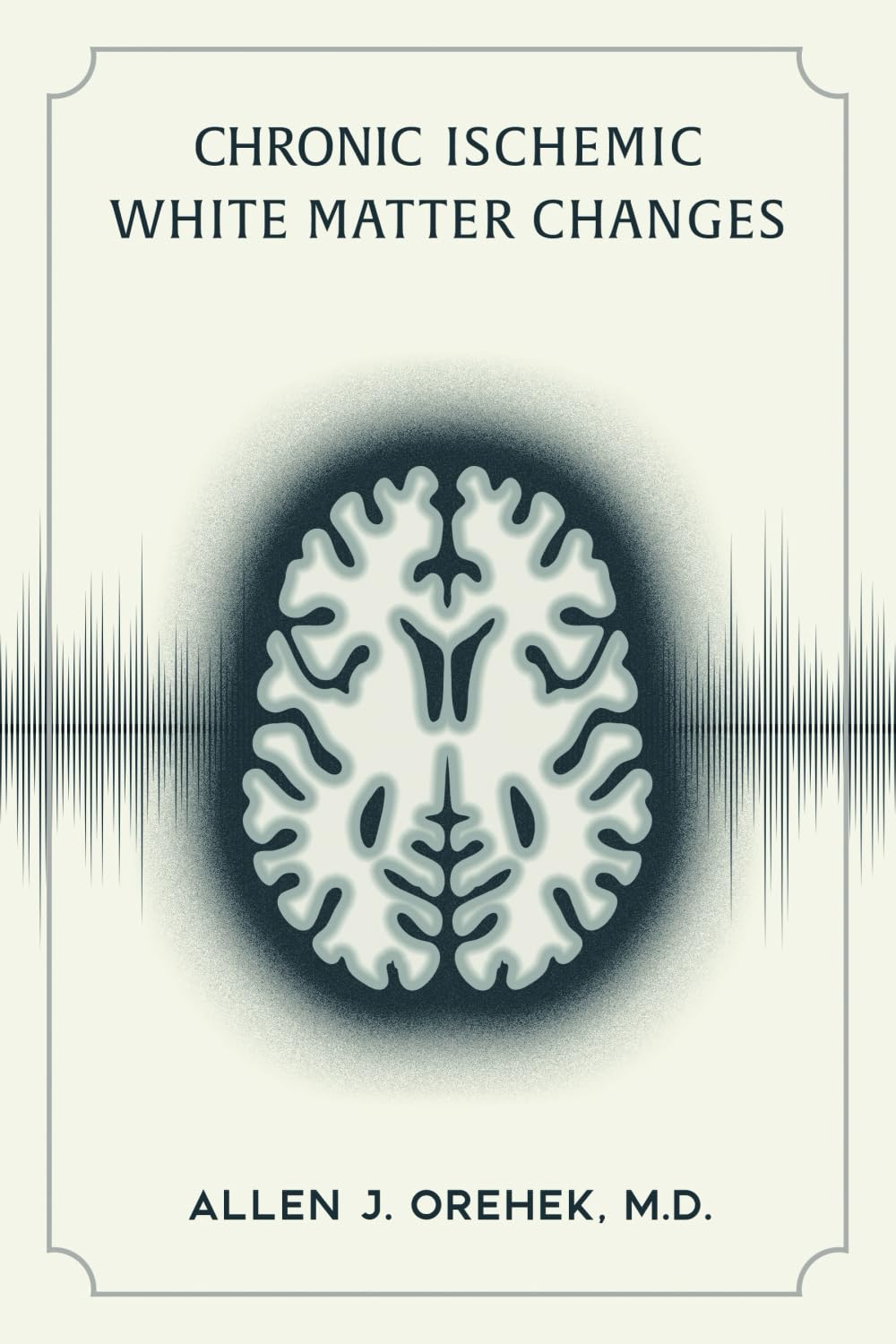
Those words appear on many MRI reports. What do they describe—and what do they mean in a particular person's case?
Learn how MRI findings fit into a broader clinical assessment.
Read the MRI guide →